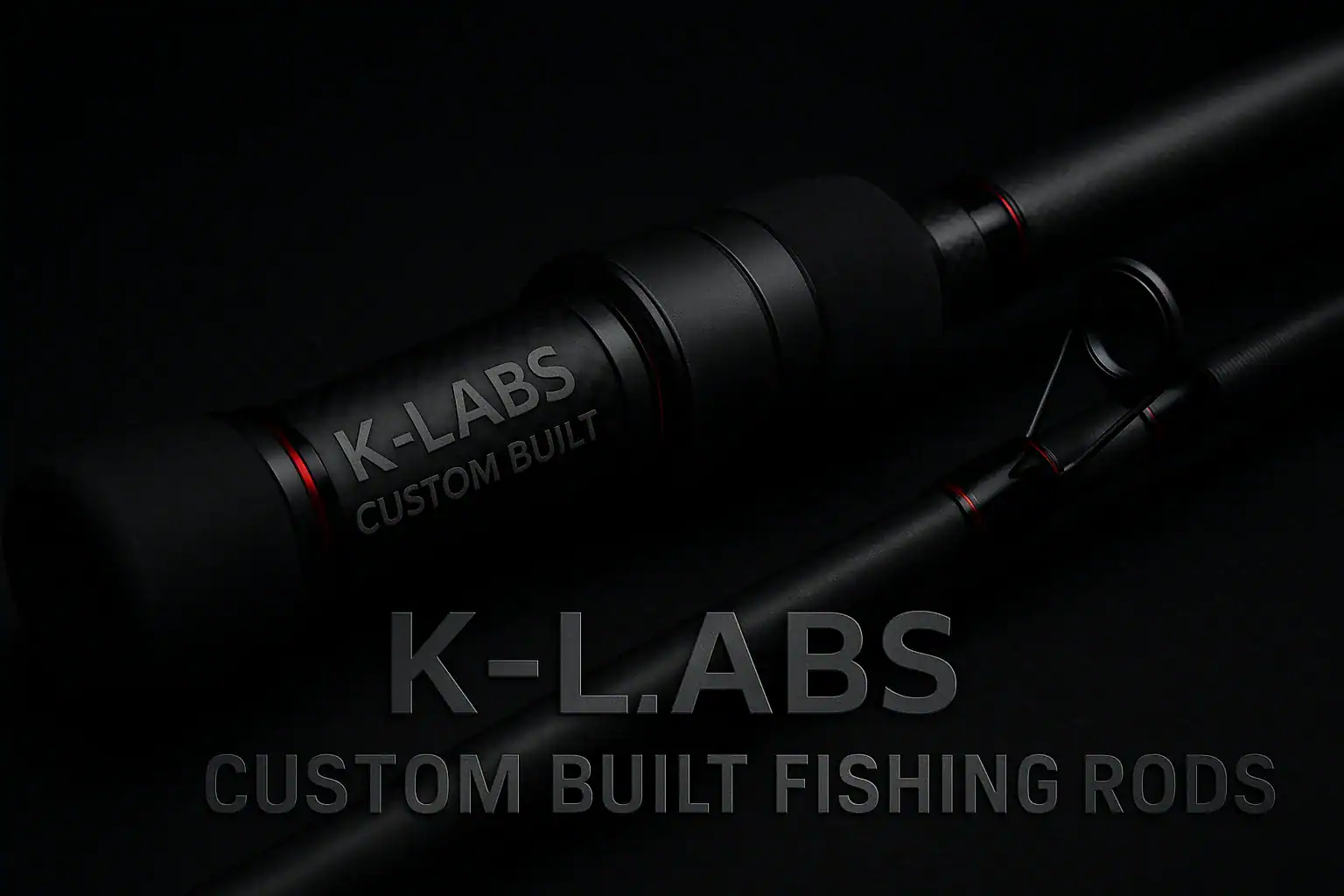
If you’ve ever picked up a rod and thought “Why does this feel dead?” — chances are the blank wasn’t the real problem.
One of the biggest killers of rod sensitivity is something almost no factory rod builder talks about:
The grip-to-reel-seat transition.
A rod blank is at its most sensitive when it’s untouched — raw carbon transferring vibration straight into your hand.
The moment you start stacking parts, you risk choking sensitivity and changing the rod’s behaviour.
Most anglers never consider this, but when you look at custom rods vs mass-produced rods, the difference is massive.
Why Transitions Matter More Than You Think
1️⃣ Direct Contact Equals Sensitivity
To feel subtle bites — tail nips, soft inhalations, weight changes — you need uninterrupted contact between:
- your hand
- the grip
- the reel seat
- the blank
When these join cleanly, vibration travels through everything efficiently.
But when you get:
- steps
- gaps
- poorly fitted grips
- thick epoxy lumps
- hard edges
- loose tolerances
…your hand no longer feels what the blank feels.
The rod still vibrates, but the message never reaches you.
2️⃣ Many Factory Rods Kill Sensitivity Without Realising
Factories build for speed, not precision.
That often means:
- grips drilled too large
- filler glue used to “pack out” the gaps
- EVA or cork that is too thick
- reel seats that don’t sit flush
- parts simply stacked on top of each other
Stacking parts is easier — but it also:
- increases weight
- reduces feel
- interrupts blank contact
- changes the fulcrum point
- dulls the rod
A rod blank at its very best is bare, with absolutely nothing on it.
Everything added should respect the blank — not suffocate it.
3️⃣ Why Proper Transitions Change Everything
A correctly shaped, correctly fitted grip does three things:
✔
Improves sensitivity
Your palm sits on a clean, uninterrupted surface that is bonded directly to the blank.
This is why high-end custom rods “feel alive.”
✔
Improves comfort
An ergonomic taper means:
- no hotspots
- no sharp edges
- smooth finger indexing
- long-session comfort on the kayak or boat
✔
Improves control
A proper transition lets you:
- point the blank naturally
- maintain consistent hand pressure
- lift, twitch, and hop softbaits far more precisely
Softbaiting is a method built on feel.
If the transitions are wrong, you lose the method.
4️⃣ Why Good Transitions Cost More (And Why They’re Worth It)
Shaping grips into a perfect taper takes:
- time
- tools
- correct mandrels
- meticulous fitting
- experience
It’s slower.
It’s harder.
But the result is a rod that feels dramatically better in your hand — and transmits so much more information.
This is where price differences between custom rods make sense.
You’re not buying “parts” — you’re buying precision.
5️⃣ The K-Labs Approach (No Sales Pitch, Just Method)
Every grip is:
- fitted to the blank with minimal tolerances
- shaped to flow into the reel seat
- aligned so the blank’s feel isn’t interrupted
- sanded and refined by hand
- designed for both feel and comfort
It’s not about flashiness — it’s about function you can actually feel.
6️⃣ The Result? You Detect Bites You Never Knew Were There
With clean transitions, you feel:
- weight changes
- soft pickups
- slight ticks on the drop
- weed vs fish
- tap-tap-tap from small snapper
- the “dead stop” inhale bite
Most anglers think they’re experienced — until they use a rod where the blank truly speaks to the hand.
FAQ:
Q1: Why do grip transitions affect rod sensitivity?
Because any gap, step, or filler material interrupts the vibration pathway between the blank and your hand.
Q2: What makes a transition “good”?
A smooth, flush fit where the grip and reel seat meet the blank with no steps, gaps, or excess glue.
Q3: Does EVA vs cork change sensitivity?
Thickness matters more than material — thick grips mute feel, thin grips enhance it.
Q4: Why do factory rods often feel dead?
Because parts are stacked quickly, often with large gaps packed out with glue, killing blank-to-hand contact.
Q5: Do custom transitions cost more?
Yes — because shaping and precision-fitting each piece takes time, but dramatically improves feel.